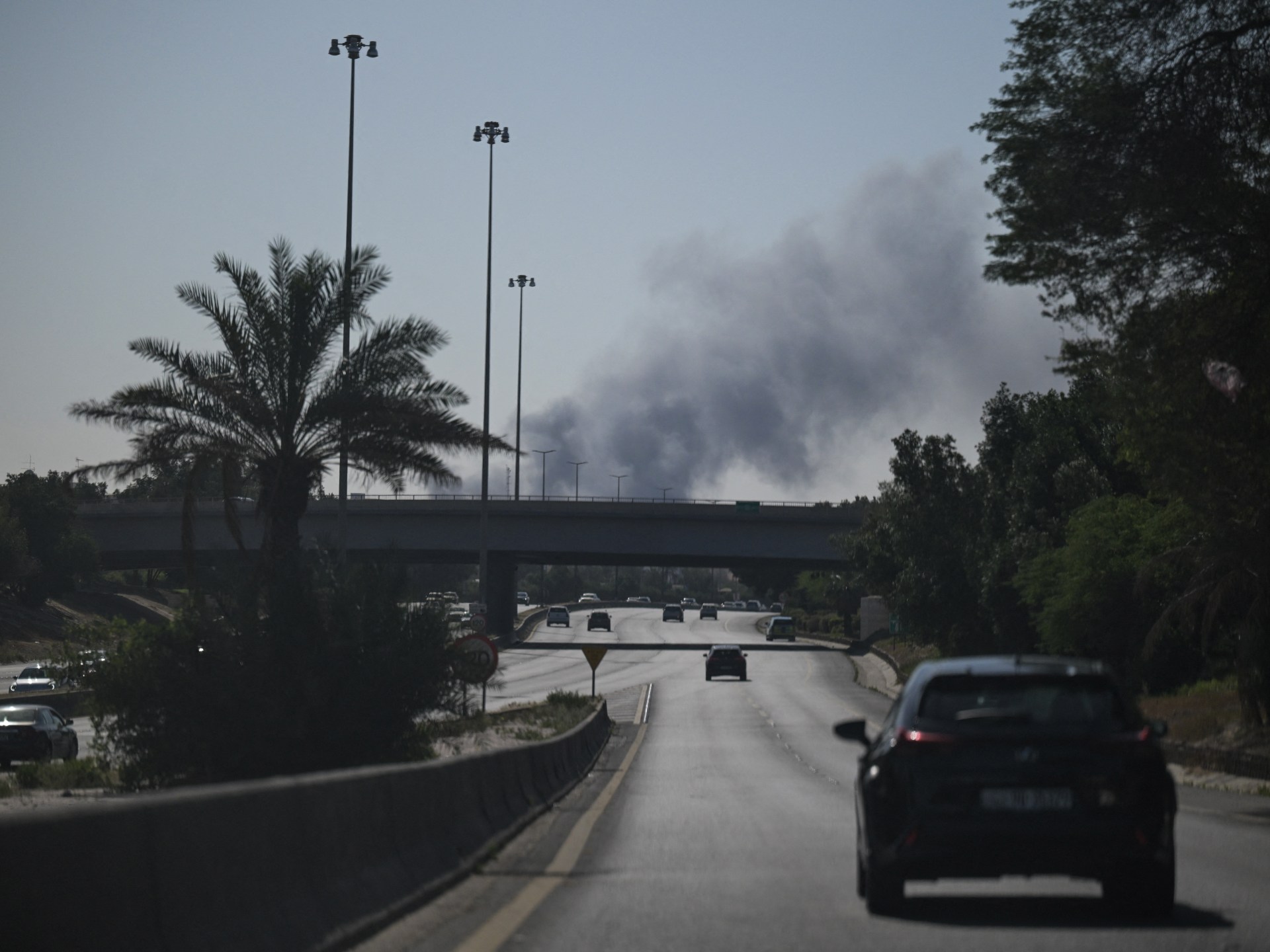
The US attack on Iran comes from a place of confidence. On paper, the world’s most powerful military would seem unbeatable. But war can be unpredictable, and weaker opponents often resort to unconventional tactics, or asymmetric warfare, with early anti-colonial conflicts showing how it can work.
Advertisement
In 1946, for example, France entered the First Indochina War confident of victory, ignoring Vietnam’s desire to rid itself of French colonial rule. But the communist-led Viet Minh waged an effective guerrilla war, culminating in a French defeat in the Battle of Dien Bien Phu in 1954, the loss partly blamed on French hubris.
In the Algerian War of Independence from 1954 to 1962, the French once again failed in the face of the hit-and-run tactics of guerrilla warfare. Algerian fighters, who relied on allies in densely populated urban neighbourhoods, in cities like Algiers, used sabotage and assassinations to great effect.
During the Vietnam War, the Viet Cong preferred dense jungle cover to limit the use of US airpower. They laid booby traps, sprung ambushes and dug hidden tunnels. The Viet Cong also used propaganda tactics to test the US public’s resolve to endure the deaths of American soldiers. A weaker force, in effect, won in 1975 by holding out longer.
In Afghanistan, starting in 2001, the US military again faced a weaker enemy. But the Taliban leveraged improvised explosive devices, suicide bombings, hit-and-run tactics and the killing of local officials to outlast the Americans, who left in 2021.
Iraq was no better. After the US’s conventional invasion toppled Saddam Hussein in 2003, the conflict spiralled into one of IED attacks on convoys, suicide bombings, assassinations and kidnappings.
Advertisement
Today, Ukraine has redefined asymmetric warfare, keeping the much larger Russian invasion force at bay since 2022, in part through the use of inexpensive consumer drones.
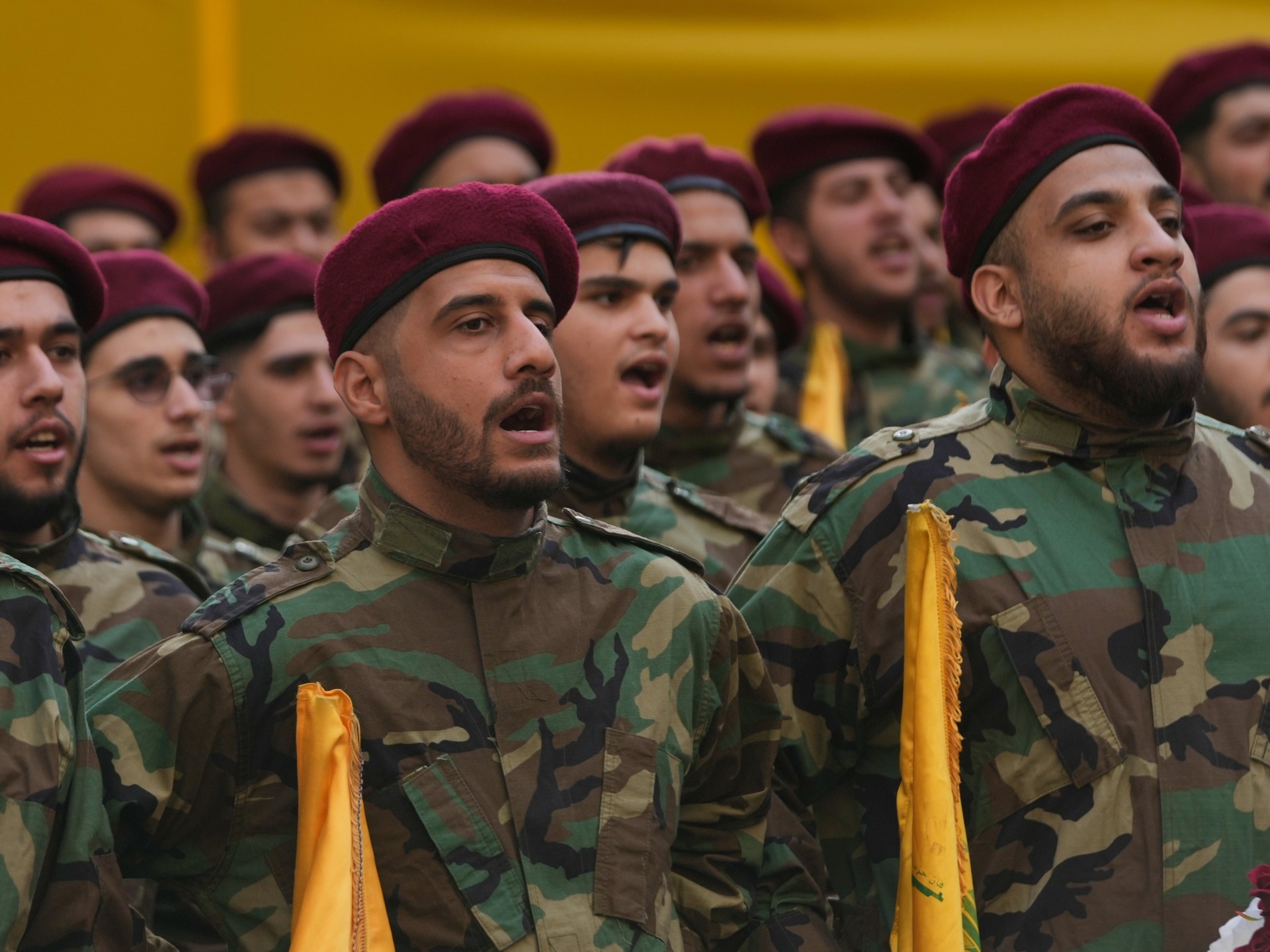
In the Middle East, Iran has asserted itself and kept the much more powerful US military and its allies off balance with proxies in Iraq, Lebanon and Yemen. The Houthis in Yemen, for example, have fired missiles and drones into Saudi Arabia, targeting the kingdom’s electricity infrastructure.
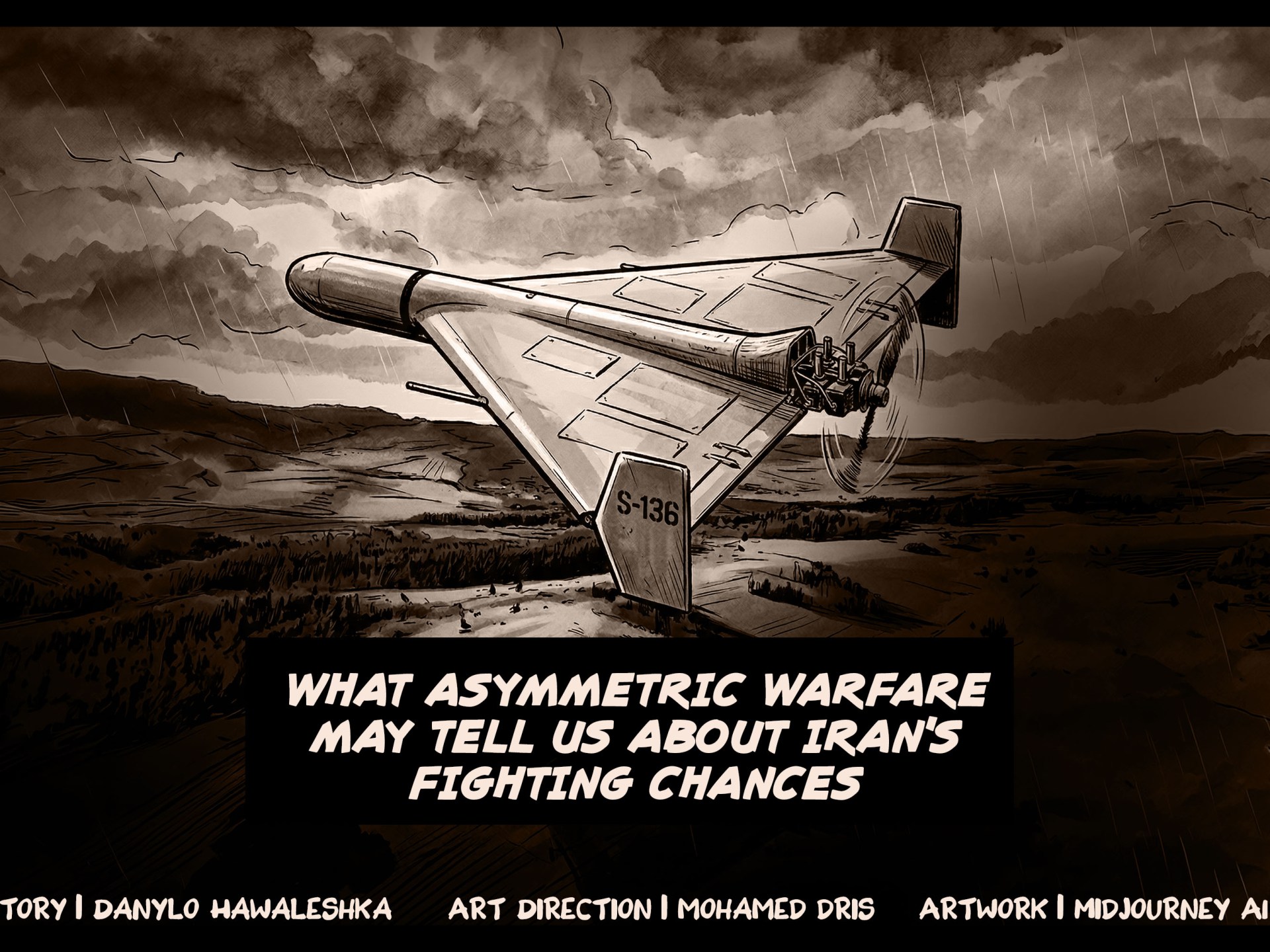
Now, as the US wages war with Israel’s help, Iran fires its cheap but effective Shahed-136 kamikaze drones at US military bases in the Middle East and at US allies in the Gulf region. The worry, of course, is that this war could be dragged out as a weaker opponent refuses to give in to a stronger aggressor.