
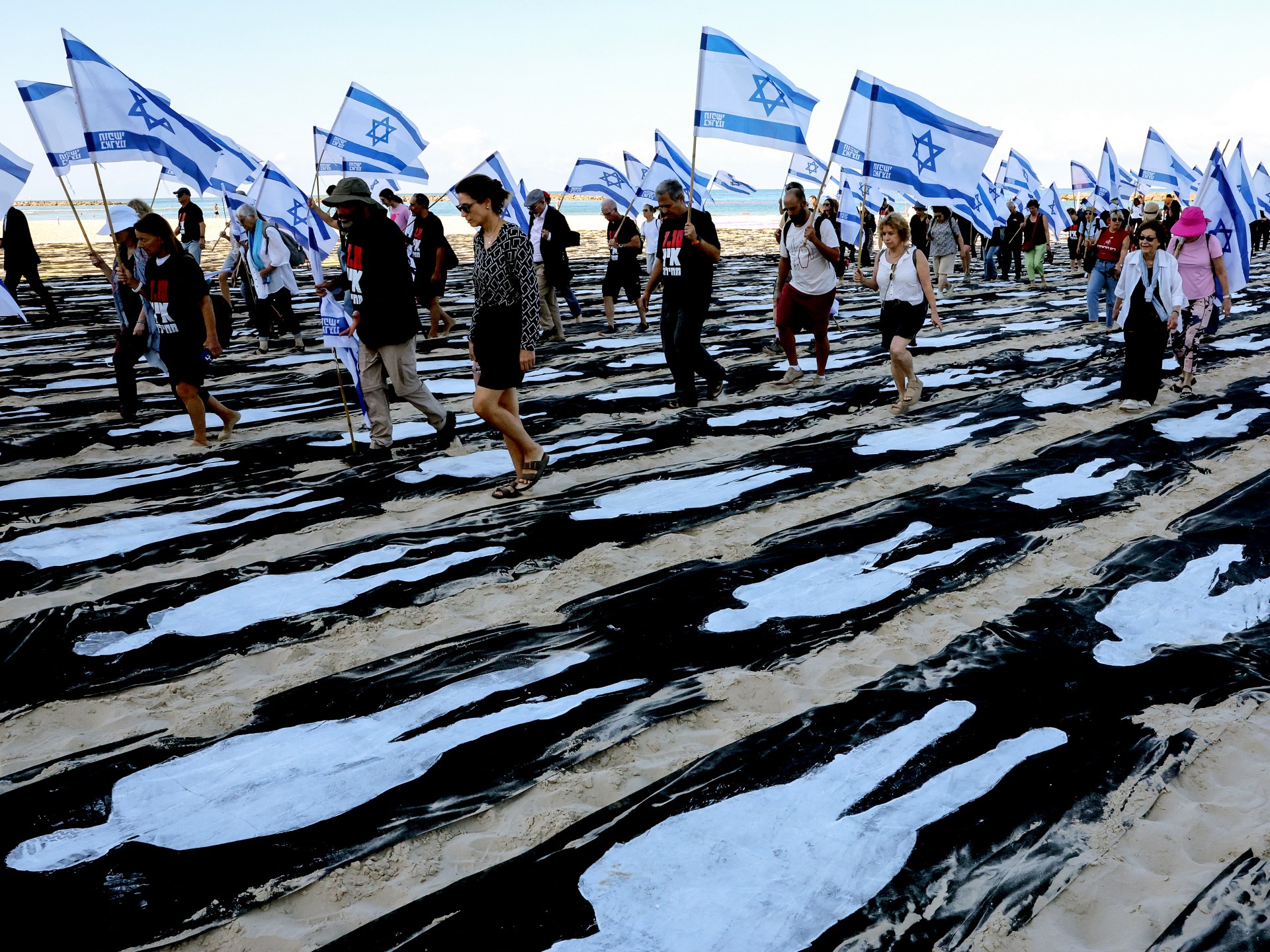

As Israel marks the third anniversary of the 7 October Hamas-led attacks, the psychological toll on its society remains visible, with an increase in PTSD among children, more adults struggling with everyday life amid mental health issues, and a rise in suicides among soldiers, experts have told Al Jazeera.
About 1,200 people died in the attacks on villages and army outposts in southern Israel, while Israel’s assault on Gaza has since killed more than 74,000 Palestinians. Gaza has been left almost uninhabitable amid a wave of destruction that a UN commission of inquiry has concluded amounts to genocide. Meanwhile, Israeli society continues to function, but beneath the surface, the attacks, war and missile strikes have compounded the psychological strain among its people.
- list 1 of 4Why single Ebola death in Kenya has prompted fears of wider African spread
- list 2 of 4Acclaimed Indian actor Nana Patekar dies aged 75
- list 3 of 4Yemen’s government needs tribes to defeat the Houthis. Will they join?
- list 4 of 4Video: Signs removed from British consulate in occupied East Jerusalem
end of list
New research has found that one in five Israelis reports severe difficulties with daily functioning because of their mental health, according to the National Mental Health Barometer, conducted by Clalit Health Services’ Research Institute and the Myers-JDC-Brookdale Institute.
Among children and adolescents, separate Clalit research shared with Al Jazeera recorded a 121 per cent increase in psychiatric emergency visits compared with the period before the war. Behind those figures are families living with bereavement and fears about what comes next.
A family living with loss
During a webinar for journalists organised by Clalit Health Services to mark the anniversary, Irit Ben Arye recounted how her husband, Haim Ben Arye, drove south to help evacuate survivors from Kibbutz Be’eri. It was one of the communities attacked by Palestinian fighters on 7 October 2023.
Advertisement
The 52-year-old bus driver returned home crying, she says. About two weeks later, he died by suicide.
The couple were married for 30 years and had eight children. Irit worries about the lasting effects on them. Recounting to journalists what she told her children following the death of her husband, she said: “You have to ask for help, if something is bothering you, if you’re in pain, in the dark, you feel that you are alone.”
“Cry, ask, break something. Make yourself noticed, make us notice that you are in pain.”
The Ben Arye family are not the only ones experiencing mental distress. In fact, one-third of the Israeli population felt they needed mental health treatment, according to the National Mental Health Barometer report. Half reported that their leisure activities had been affected, while 35 per cent said they had difficulty forming and maintaining close relationships.
Growing up on alert
Israel’s attacks on Iran and retaliatory missile strikes have brought further periods of fear and interruption to civilian life. With missiles and airstrikes raining down on Israel at various times since 7 October, everyday activities can become calculations about access to shelter and the possibility of another attack.
Eric Vermetten, a professor of psychiatry at Leiden University Medical Center in the Netherlands, told Al Jazeera that this type of repeated exposure to danger can lead to long-lasting psychological issues. “Repeated attacks, warning sirens and displacement turn ordinary decisions – where to sleep, whether to send children to school, how to plan tomorrow – into questions of safety,” he said.
“Maintaining that vigilance is exhausting: sleep becomes deeply fragmented, concentration falters and anxiety, irritability or withdrawal can seriously strain relationships,” he added.
Drawing on records from about five million members, Clalit Health Services’ assessment has found that psychiatric emergency visits among children and teenagers more than doubled over this period.
Edgar Jones, professor at King’s College London’s Institute of Psychiatry, Psychology and Neuroscience, told Al Jazeera that people respond differently to prolonged conflict. Some do adapt and develop ways of coping.
But if people experience the destruction of their home or the death of a relative, they may develop post-traumatic illness or depression, he said. “Many of those in this group will become war-weary should their daily lives continue to be disrupted and threatened.”
“Everyone has a breaking point,” Jones said.
The psychological toll on soldiers
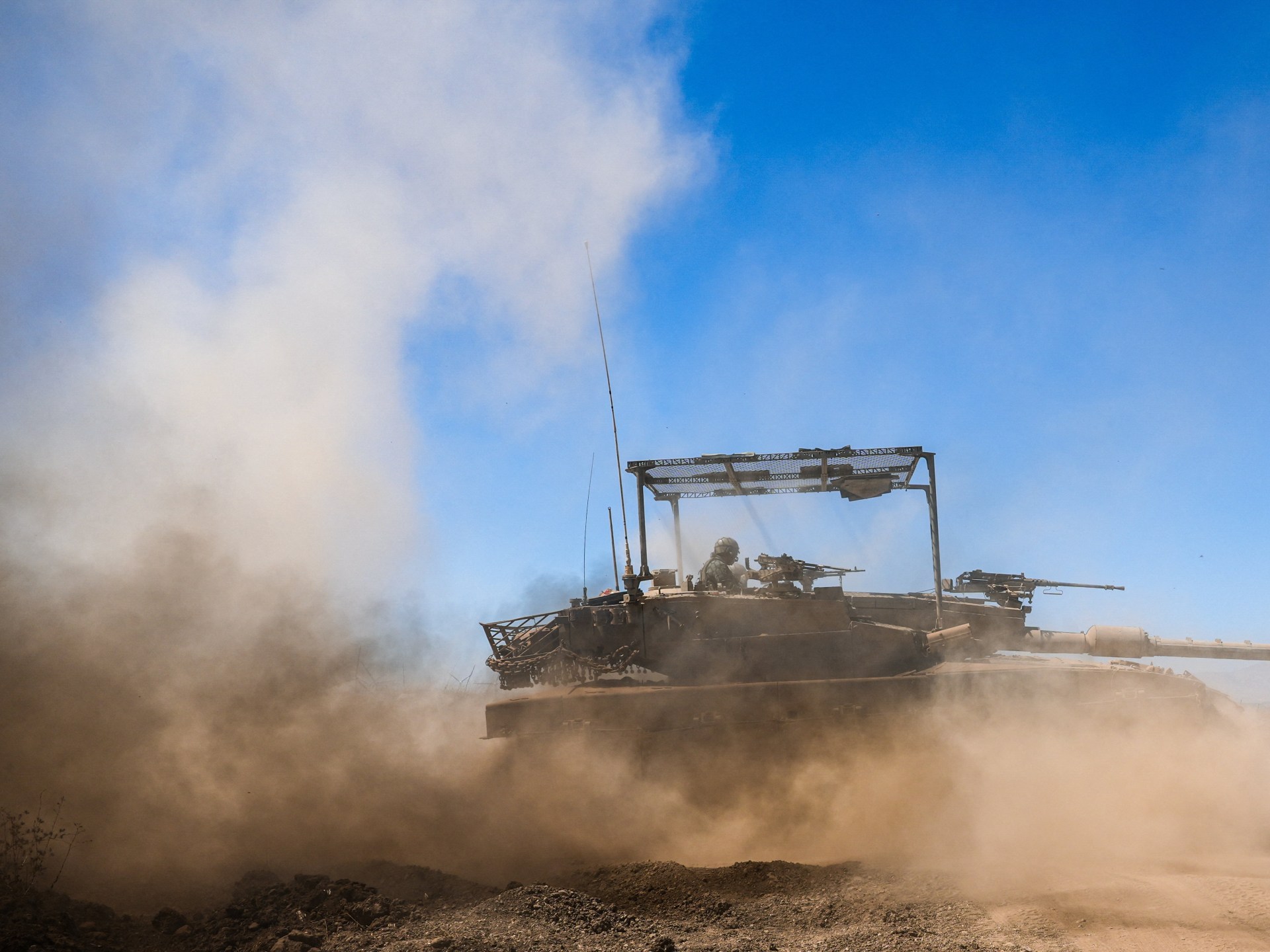
The effects of prolonged warfare are also apparent among those carrying out Israel’s military attacks. Soldiers, including young conscripts, have been deployed to Gaza, where a United Nations commission of inquiry concluded that Israel has committed genocide against Palestinians.
Advertisement
“For reservists, moving repeatedly between combat and civilian life may leave little to no time to reconnect with family or make sense of their experiences – loss, guilt, shame, anger, despair – before returning to duty,” Vermetten said.
Jones added: “They may, when reflecting on what they have been ordered to do, or failed to do, experience moral injury”.
“This arises when their actions challenge their view of themselves, sometimes leading to guilt, shame and anger against themselves.”
Israeli parliamentary data recorded 279 suicide attempts among serving soldiers between January 2024 and July 2025. Combat soldiers accounted for 78 per cent of military suicide deaths in 2024. The figures exclude veterans who died by suicide after leaving service.
Vermetten cautioned against treating suicide as an inevitable consequence of prolonged war, but said that “conflict, loss and isolation can increase vulnerability” among soldiers who go on to take their own lives.
A toll across the region
The psychological consequences of Israel’s military campaigns extend far beyond its own population. Since 7 October 2023, its assaults on Gaza and Lebanon, as well as attacks on Iran have brought death, destruction and displacement across the region, leaving children particularly vulnerable to lasting trauma.
UNICEF estimated that in Lebanon, 770,000 children have experienced psychological distress, while almost two-thirds of households reported that their children were anxious or nervous. The conflict has also compounded years of economic crisis, leaving families struggling to meet basic needs as well as support their children.
In Gaza, the scale of destruction and displacement has eroded the foundations on which psychological recovery depends, with hospitals and homes destroyed across the enclave.
UNICEF estimates that more than one million children are in need of mental health and psychosocial support, while much of the population is suffering from hunger, amid bombardment that has continued despite a so-called “ceasefire” last October.
“Children know trauma does not end when the bombing stops,” Jonathan Crickx, UNICEF’s chief of communication in the State of Palestine, said in February.
Related News

Serbian President Aleksandar Vucic resigns amid prolonged protests

At least 17 killed in South Africa shooting

New York state declares measles disaster amid resurgence of disease in US